
Introduction:
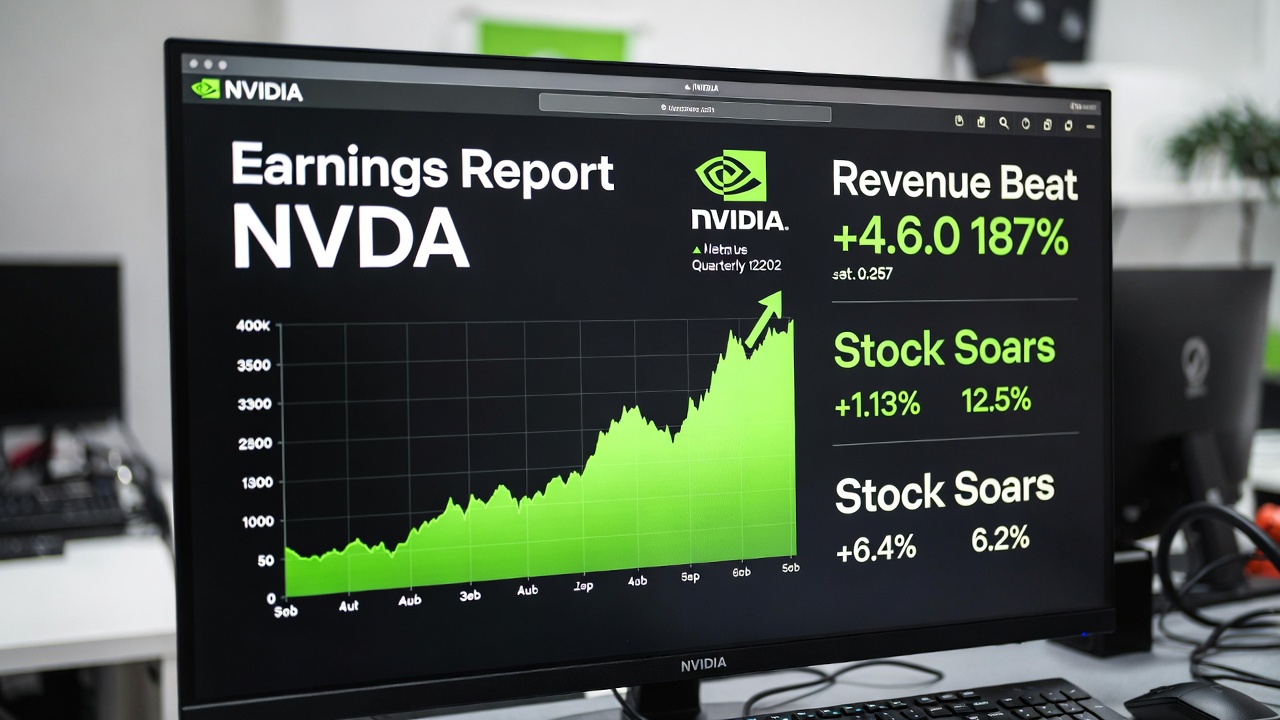
NVIDIA (NASDAQ: NVDA) has long been a key player in the semiconductor and technology sectors. With innovations spanning from gaming GPUs to artificial intelligence (AI) solutions, NVIDIA’s earnings reports are closely watched by investors, analysts, and tech enthusiasts alike. In this article, we’ll provide a detailed look at NVDA earnings, including the latest financial results, revenue drivers, market implications, and what to expect from future reports.
Understanding NVDA Earnings
Earnings reports provide a snapshot of a company’s financial health over a specific period, usually quarterly. For NVIDIA, these reports reveal the performance of its core business segments, which include gaming, data centers, professional visualization, and automotive solutions. Each segment contributes differently to overall revenue, profit margins, and investor sentiment.
NVDA earnings reports typically include key financial metrics such as:
-
Revenue: Total income generated from all business segments.
-
Earnings Per Share (EPS): Net income divided by outstanding shares, indicating profitability.
-
Gross Margin: A measure of how efficiently NVIDIA produces its products.
-
Guidance: Forecasts for upcoming quarters, which heavily influence stock price movements.
Investors scrutinize these numbers to understand not only past performance but also the company’s trajectory. A positive NVDA earnings report can boost stock prices, while disappointing results may lead to sell-offs.
NVDA Earnings: Key Highlights
Recent NVDA earnings reports have shown the company’s resilience amid volatile tech markets and changing consumer demands. Several factors contribute to these outcomes:
1. Gaming Segment
NVIDIA is widely recognized for its graphics processing units (GPUs) used in gaming. The gaming segment remains a major revenue driver, especially with the popularity of high-end gaming PCs and consoles.
-
Trends: Recent NVDA earnings highlighted growth in GPU sales, particularly the GeForce RTX series.
-
Drivers: Increased demand for advanced graphics, esports popularity, and AI-powered gaming experiences.
Even though the gaming segment occasionally faces supply chain issues, it continues to be a robust source of revenue.
2. Data Center Growth
Data centers represent NVIDIA’s fastest-growing segment. With AI adoption accelerating across industries, NVDA earnings reflect substantial revenue contributions from GPU sales tailored for machine learning and high-performance computing.
-
Trends: NVDA earnings show increasing adoption of NVIDIA AI solutions in cloud computing and enterprise applications.
-
Drivers: Expansion of AI workloads, partnerships with cloud providers, and enterprise software integration.
This segment has become a critical factor in stock performance, often overshadowing fluctuations in the gaming segment.
3. Professional Visualization
This area focuses on graphics solutions for professionals in industries like architecture, media, and engineering. While not as high-profile as gaming or AI, it provides steady income.
-
Trends: Growth in creative and simulation workloads continues to support NVDA earnings.
-
Drivers: Adoption of NVIDIA’s RTX technology and AI-enhanced visualization tools.
4. Automotive Solutions
NVIDIA has also ventured into the automotive sector, providing AI and autonomous vehicle platforms. Though smaller in revenue share, this segment demonstrates NVIDIA’s strategic diversification.
-
Trends: Partnerships with car manufacturers and autonomous driving initiatives are showing promise.
-
Drivers: AI-powered driving assistance systems, autonomous vehicle pilots, and in-car entertainment solutions.
Analyzing NVDA Earnings Metrics
To truly understand NVDA earnings, it’s crucial to analyze the numbers behind the headlines. Here’s a breakdown of the most important metrics:
Revenue and Growth
NVIDIA consistently reports strong revenue growth, fueled by demand for GPUs and AI solutions. Analysts often compare quarterly revenue against both prior quarters and the same quarter from the previous year to assess performance.
-
Sequential Growth: Compares current quarter revenue to the previous one, showing short-term trends.
-
Year-over-Year Growth: Compares current quarter to the same quarter last year, indicating long-term expansion.
Profit Margins
Profitability is a key focus for investors. Gross margins in NVDA earnings reports reveal how efficiently the company manages production costs while maintaining competitive pricing. High margins are often driven by premium GPU sales and enterprise contracts.
Earnings Per Share (EPS)
EPS is a crucial indicator of profitability on a per-share basis. Analysts compare reported EPS against expectations to determine whether NVIDIA meets, exceeds, or falls short of market predictions.
Guidance and Forward-Looking Statements
NVDA earnings reports also include guidance for upcoming quarters. This information is pivotal for investors, as it shapes expectations and influences stock price volatility. Positive guidance can boost investor confidence, whereas conservative forecasts may lead to caution.
Market Reaction to NVDA Earnings
Stock market reactions to NVDA earnings can be immediate and dramatic. Several factors influence investor sentiment:
-
Beating Expectations: If NVIDIA exceeds revenue or EPS predictions, stock prices often surge.
-
Missing Estimates: Falling short of analyst expectations can trigger declines.
-
Forward Guidance: Even strong current results may be overshadowed by cautious forecasts.
For example, NVDA earnings reports have previously caused stock price swings of over 10% in a single trading day, reflecting the company’s high visibility in the tech and AI sectors.
Factors Influencing Future NVDA Earnings
Understanding what shapes NVIDIA’s financial performance helps investors anticipate potential earnings outcomes:
-
AI and Machine Learning Demand: Increasing AI adoption in industries like healthcare, finance, and cloud computing continues to drive GPU sales.
-
Semiconductor Supply Chain: Global supply chain disruptions can affect GPU availability, impacting revenue.
-
Consumer Trends: Gaming hardware demand, crypto-mining GPU purchases, and PC upgrades influence earnings.
-
Technological Innovation: Product launches, AI software integration, and new GPU architectures play a major role in revenue growth.
Investors closely monitor these factors before and after NVDA earnings announcements to gauge long-term potential.
How to Track NVDA Earnings
To stay updated on NVDA earnings, consider the following methods:
-
Official NVIDIA Investor Relations: Provides detailed quarterly earnings reports, press releases, and earnings calls.
-
Financial News Outlets: Bloomberg, CNBC, and Reuters offer timely summaries and expert analysis.
-
Stock Analysis Platforms: Services like Yahoo Finance, Seeking Alpha, and MarketWatch provide EPS forecasts and historical data.
-
Earnings Call Transcripts: Listening to management discussions offers insights into strategy, market challenges, and growth plans.
NVDA Earnings: Investment Insights
For investors, NVDA earnings reports provide actionable insights:
-
Short-Term Trading: Volatility around earnings announcements can create trading opportunities.
-
Long-Term Investment: Consistent growth in revenue and AI adoption makes NVIDIA a compelling long-term holding.
-
Sector Comparison: Comparing NVDA earnings with competitors like AMD or Intel helps investors understand market positioning.
By combining financial metrics, industry trends, and analyst commentary, investors can make informed decisions regarding NVIDIA stock.
Common Questions About NVDA Earnings
Q1: How often does NVIDIA release earnings reports?
A1: NVIDIA releases quarterly earnings, typically four times a year.
Q2: Why are NVDA earnings so closely watched?
A2: NVIDIA is a leader in GPUs and AI technology. Its earnings indicate trends in gaming, AI adoption, and semiconductor growth, influencing both investors and the tech market.
Q3: What is the impact of AI on NVDA earnings?
A3: AI drives demand for high-performance GPUs, particularly in data centers and cloud computing, significantly contributing to revenue growth.
Q4: How can I interpret NVDA EPS and revenue numbers?
A4: Compare reported numbers against analyst expectations and historical performance. Look for trends in growth, profitability, and segment performance.
Conclusion
NVDA earnings remain a critical indicator of NVIDIA’s financial health, market position, and future potential. By understanding revenue drivers, key financial metrics, and market influences, investors can make informed decisions whether for short-term trades or long-term investments.
From gaming GPUs to AI data centers, NVIDIA’s diverse portfolio supports consistent growth, making its quarterly reports some of the most closely monitored in the tech industry. Staying updated on these earnings, analyzing trends, and interpreting guidance can provide a competitive advantage in understanding the broader technology and semiconductor market.
